
Art Karolien Bosschem - icons

Artgallery Brigitte Bardot *BB *dimensions80*60
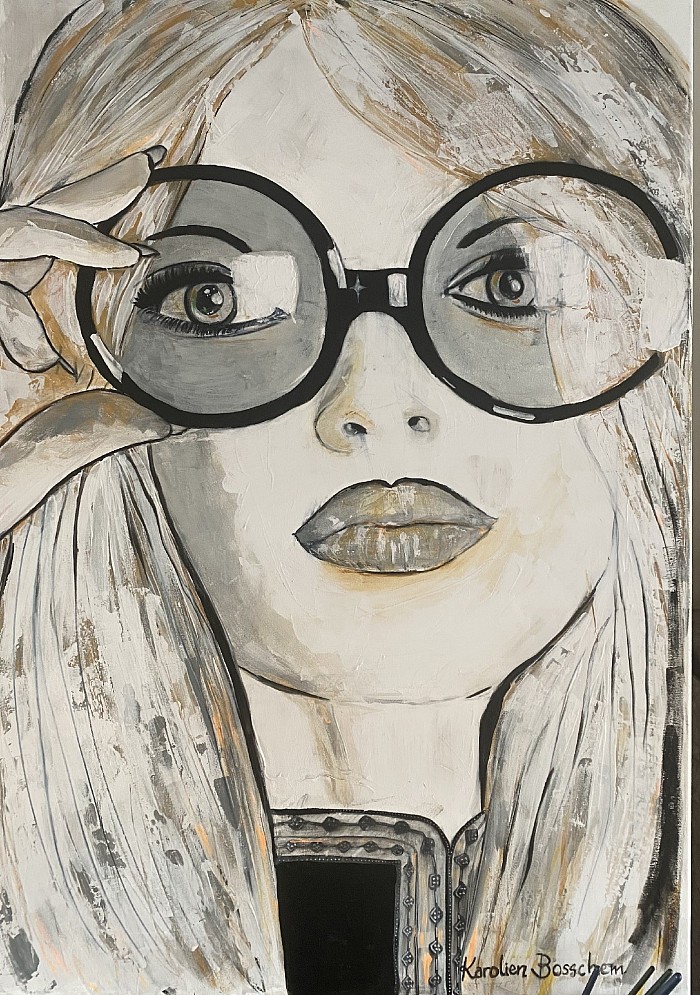
BrigitteBardot - acrylicpainting - 100*70
Brigitte Bardot
Brigitte Bardot embodies timeless beauty, feminine freedom, and a graceful strength that continues to inspire.
In my paintings, I portray her both as an icon and as a woman: the soft contours, the dreamy gaze, the effortless charm that never fades.
Bardot is not just an image — she is a mood, a presence, a tribute to elegance and individuality.

Brigitte Bardot - Acrylicpainting
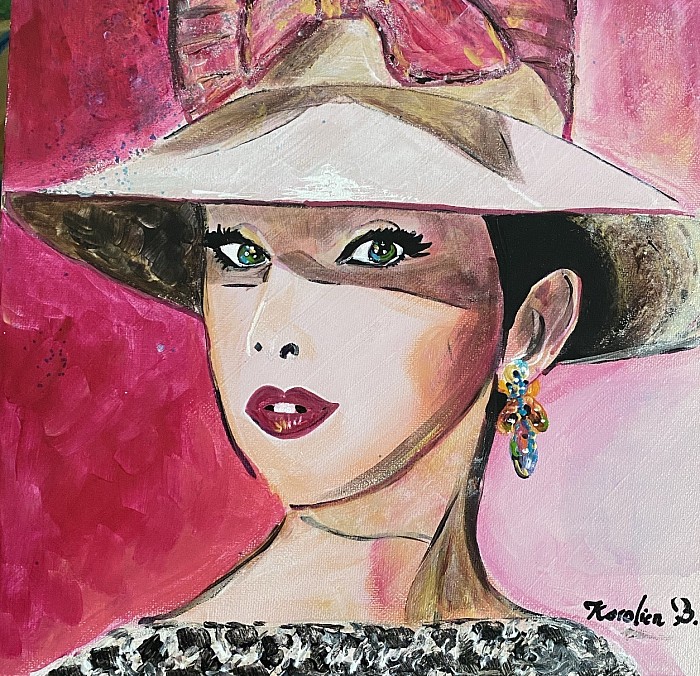
Portrait-art ,Always stay humble, -acrylic on canvas -30*30
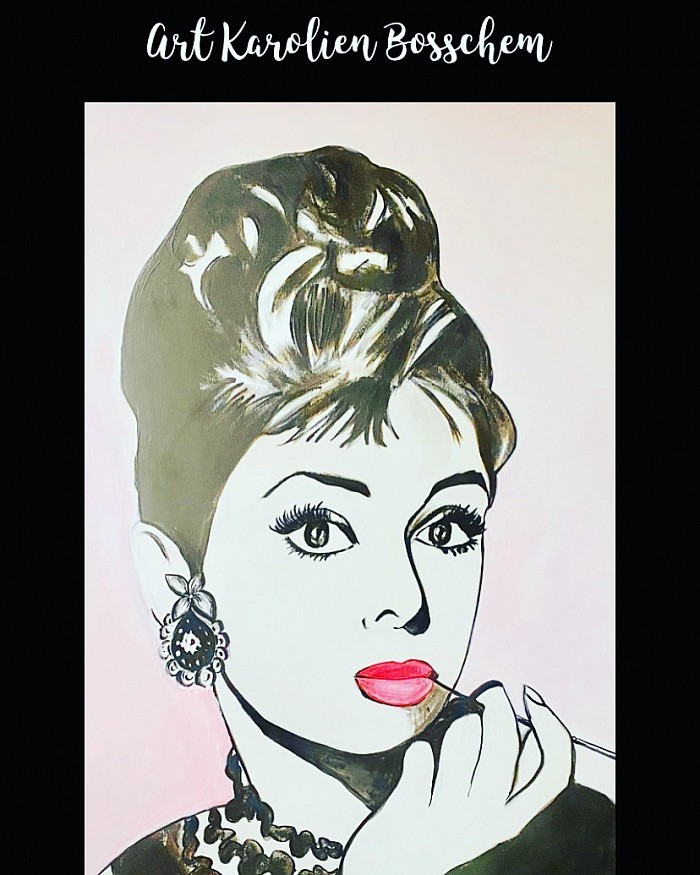
Audrey Hepburn - art gallery - acrylicpainting -120*80

Audrey Hepburn Lipstick Addict -50*70
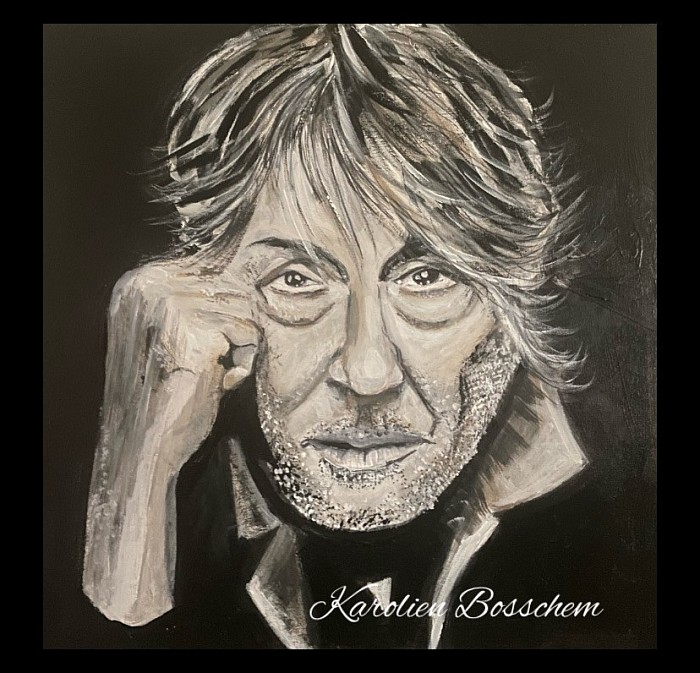
Acrylicpainting 50*50cm -Arno Hintjens
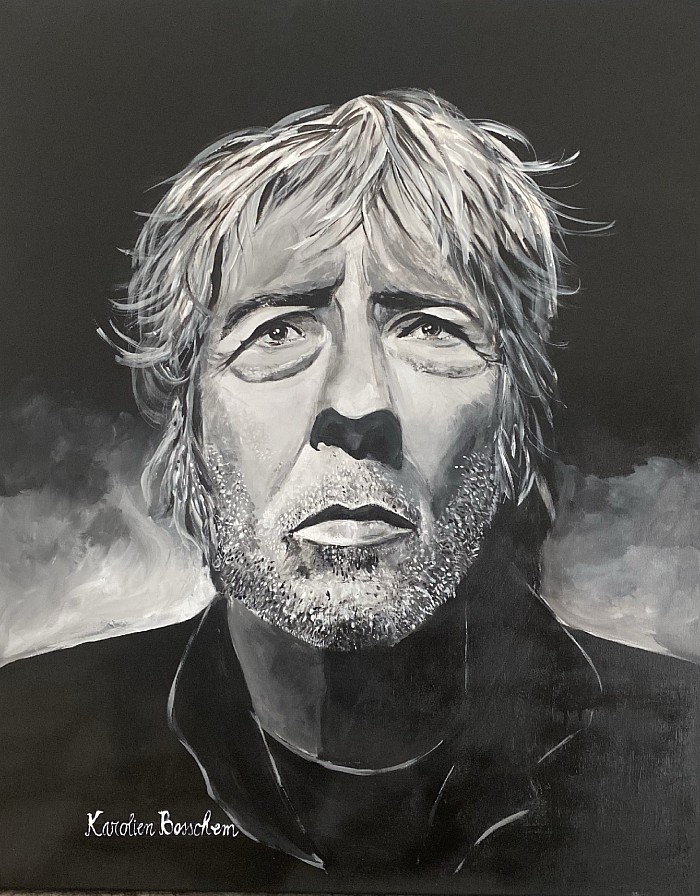
Arno Hintjens -acrylicpainting-dimensions 100*80 cm
Arno
Arno is a voice that cuts through the chest, a personality that is raw, poetic, and irresistibly real.
In my paintings, I try to capture his unique energy: the lived-in face, the humor, the melancholy, the genuine humanity.
A tribute to an artist who never tried to be perfect — just himself, and therefore unforgettable.
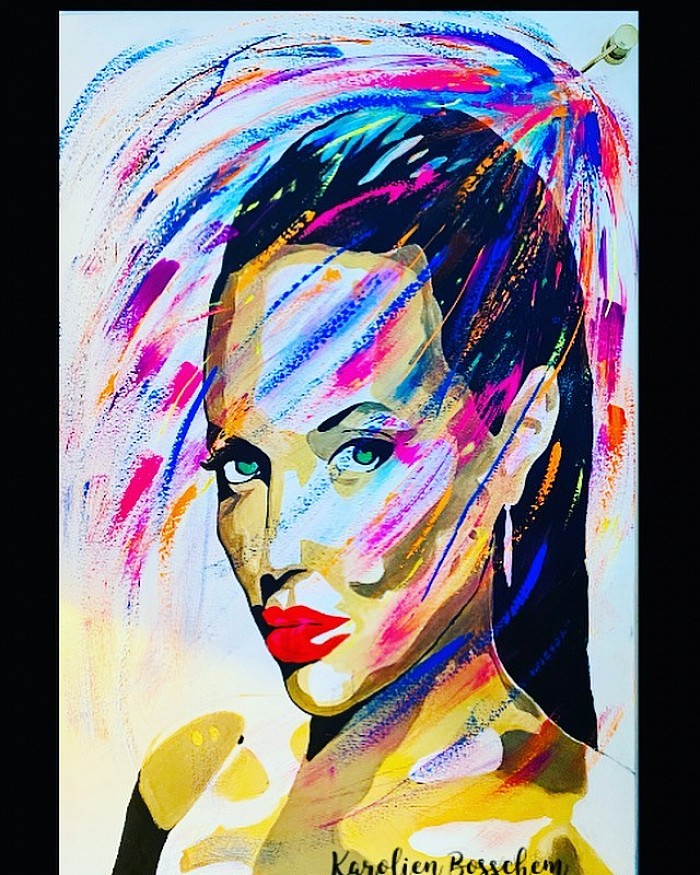
Showerthoughts -fallinginloveislikecolorfulrain -AcrylicArt
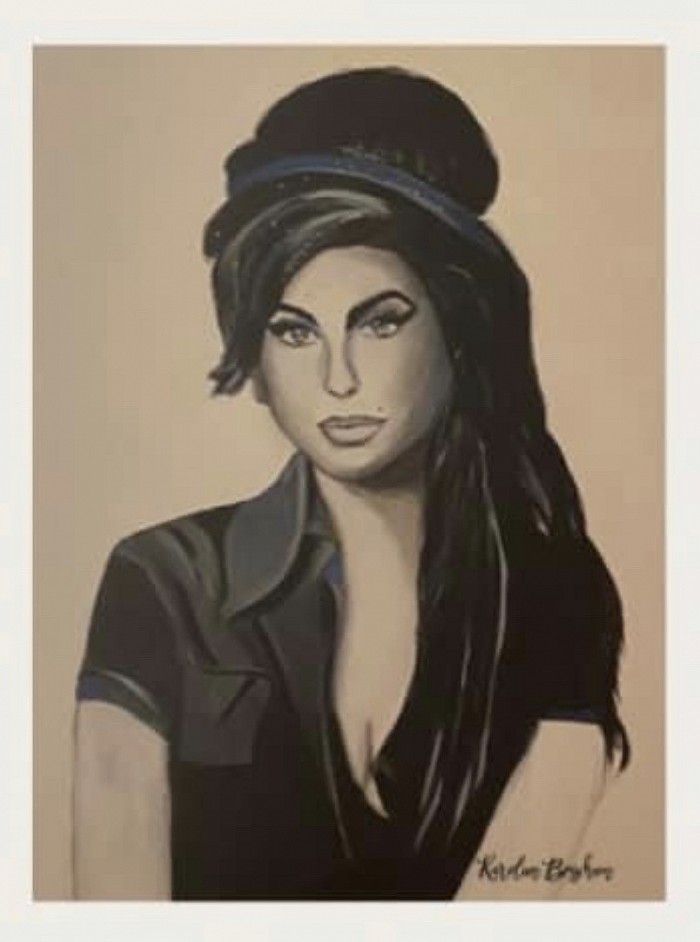
Amy Winehouse-acrylicpainting-80*100cm
Amy Winehouse
Amy Winehouse moves me through her raw honesty, her fragile strength, and the voice that carried both darkness and light.
In my paintings, I don’t just capture her face — I try to capture her soul: the deep melancholy, the fiery passion, and the unmistakable aura that turned her into an icon.
A tribute to a woman who lived the way she sang: intensely, purely, without a mask.
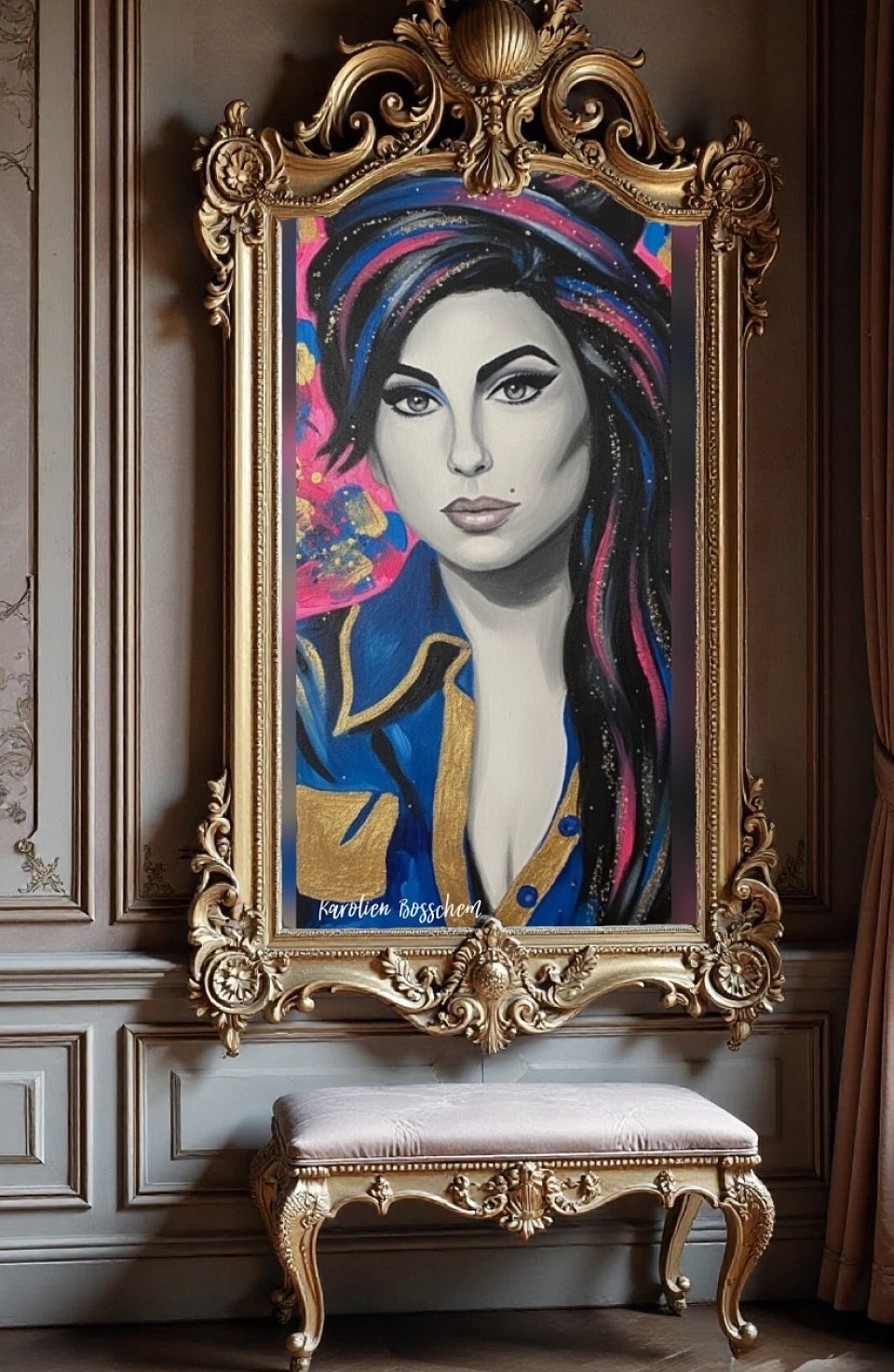
Amy Winehouse
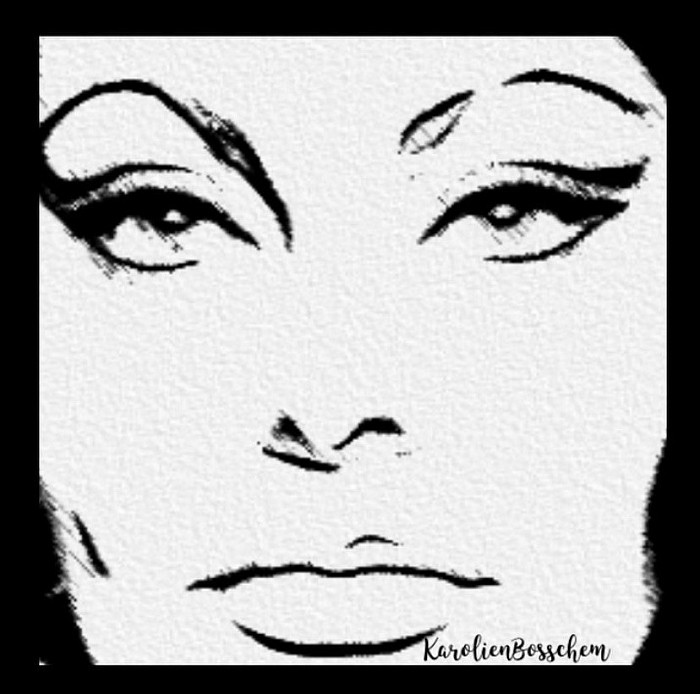
Sophia Loren - artwork -50*50 cm
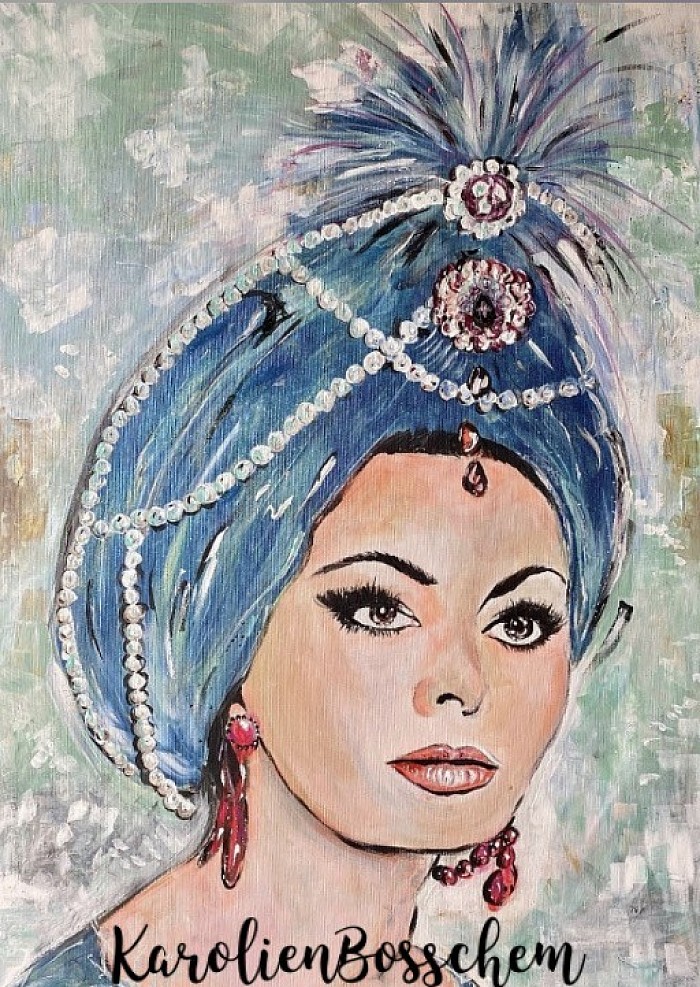
Sophia Loren - acrylicpainting- Interiorart
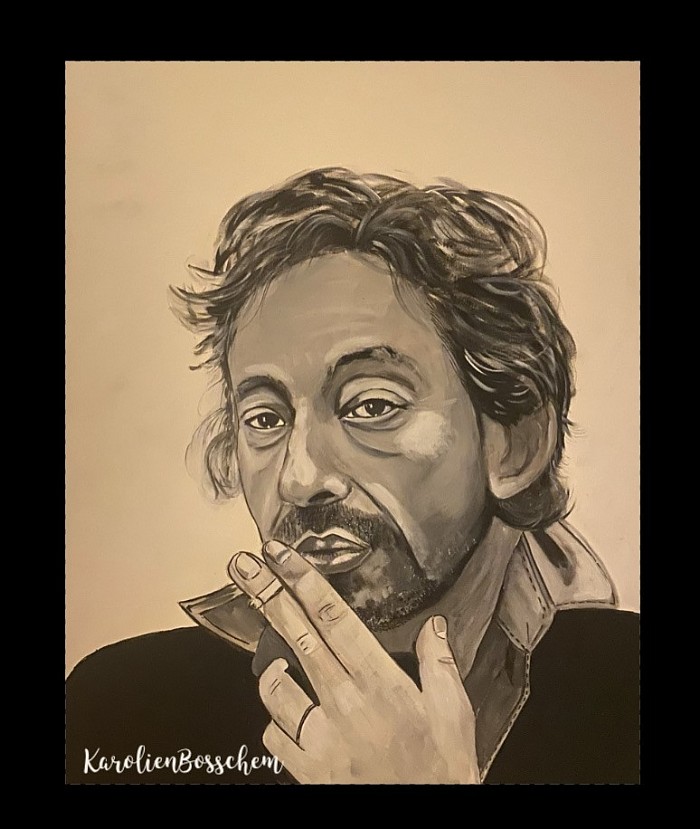
Serge Gainsbourg-acrylicpainting-100*80 cm

Tina Turner -RIP24052023-dimensions100*80 cm
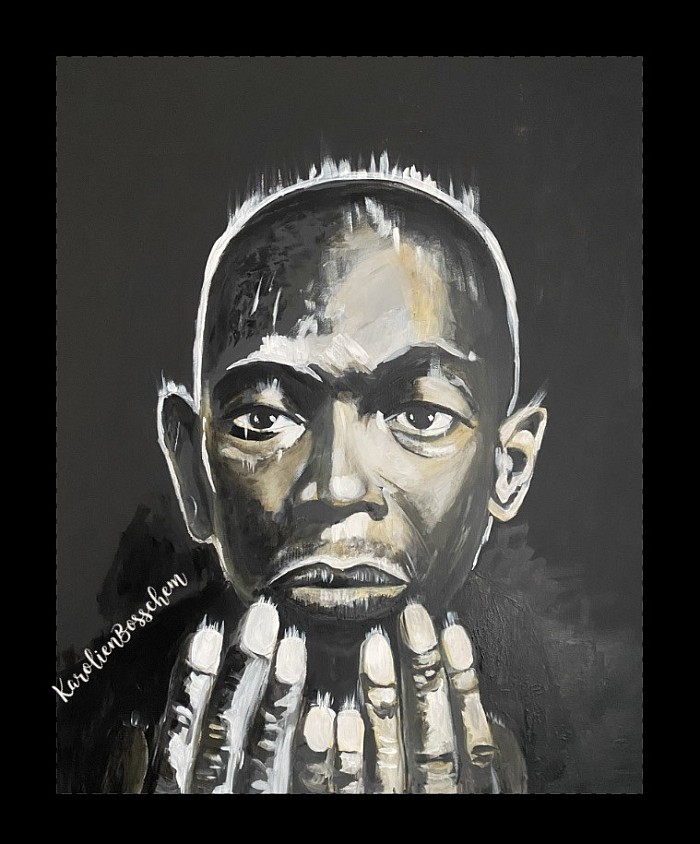
Maxi Jazz -Faithless -dimensions 100*80 cm
Acrylic art on canvas - Tigra
Wie was het Tigra-meisje?
Al sinds de jaren 50 is het iconische gezicht van de Antwerpse Angelina Saey in haar tijgerpakje het uithangbord van het sigarettenmerk Tigra, aanvankelijk geproduceerd door de Belgische tabaksgigant Vander Elst. Dat de vrouw in het pak een Belgische was, raakte pas bekend toen ze in 1979 vermoord werd.
Wie Saey op 16 maart 1979 ombracht, is nooit opgehelderd. De toen 46-jarige vrouw werd in haar villa in Brasschaat teruggevonden met een touw om haar hals, waardoor men eerst dacht aan zelfdoding. Pas later werd duidelijk dat ze vermoord was. De enige verdachte, haar jongste zoon, werd weer vrijgelaten bij gebrek aan bewijzen.
De dader zal nooit meer gestraft worden, want de moord is ondertussen verjaard.
Who was the Tigra girl?
Ever since the 1950s, the iconic face of Antwerp's Angelina Saey in her tiger suit has been the showcase of the Tigra cigarette brand, initially produced by the Belgian tobacco giant Vander Elst. That the woman in the suit was a Belgian did not become known until she was murdered in 1979.
It has never been clarified who killed Saey on March 16, 1979. The then 46-year-old woman was found in her villa in Brasschaat with a rope around her neck, which initially led to thought of suicide. Only later did it become clear that she had been murdered. The only suspect, her youngest son, was released for lack of evidence.
The perpetrator will never be punished again, because the murder is now time-barred.
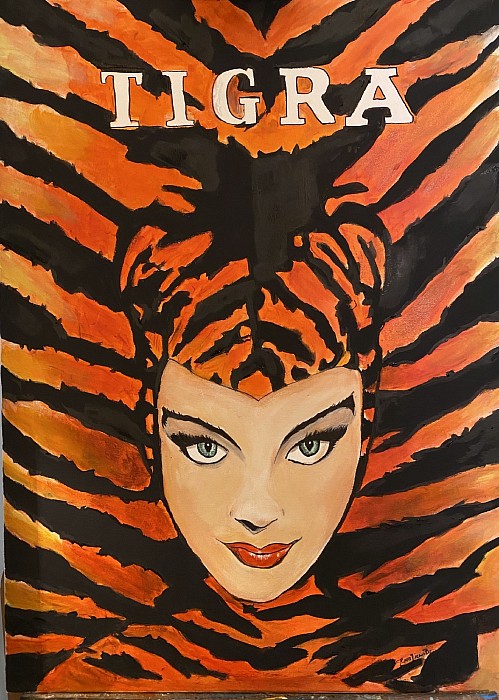
Tigra - Acrylic on canvas -90*65 cm - copyright
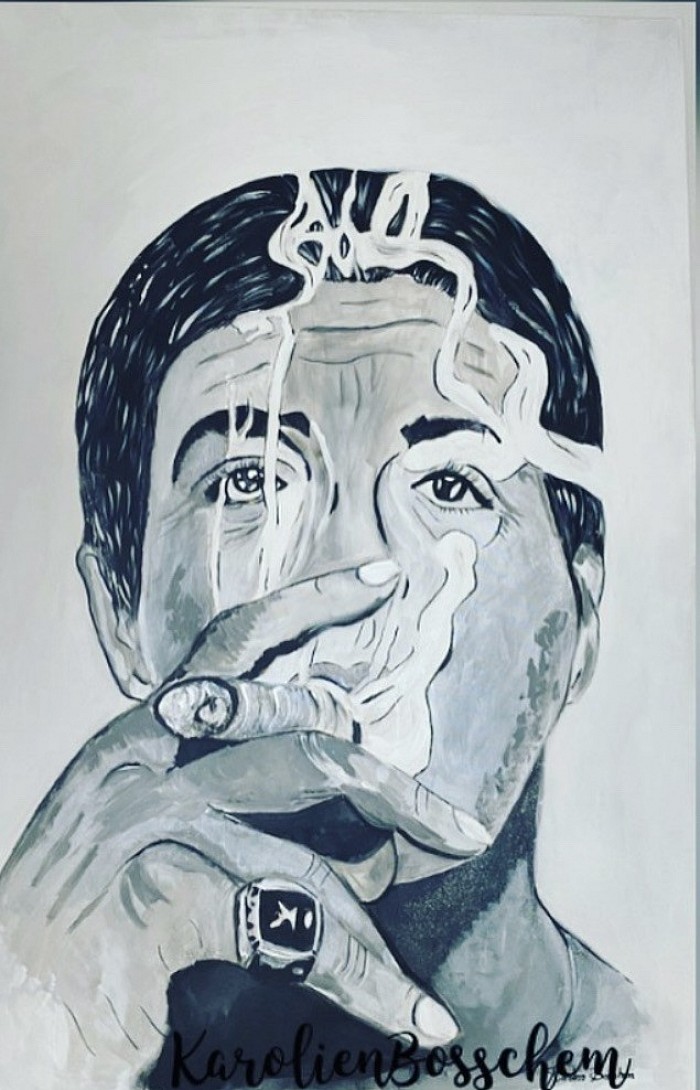
Sylvester Stallone -acrylicpainting -150cm*100
